Need emergency tree removal in Santa Ana?
Worried about a tree? Request a callback to check provider availability, or send a few details through the request form and ask for an estimate.
No obligationTree Removal Referrals for Santa Ana Homes
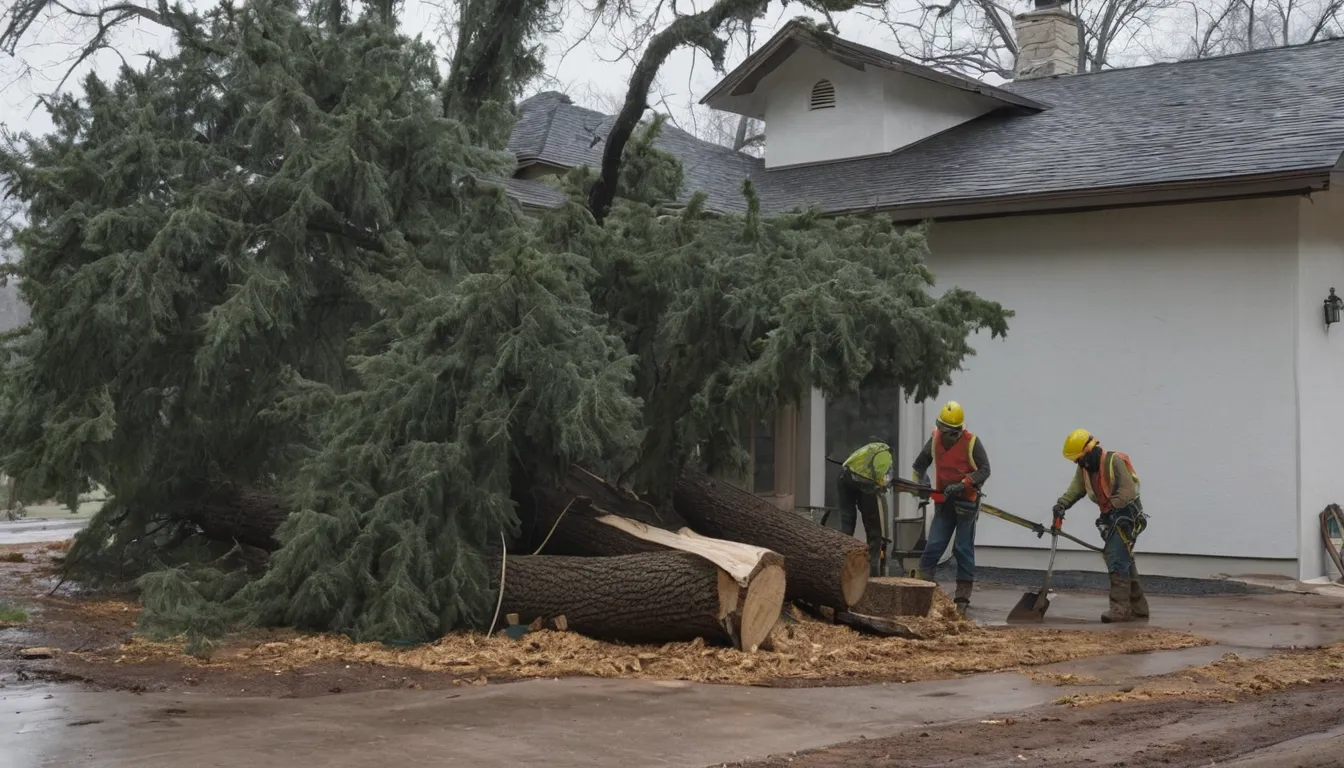
A tree on your roof, fence, or driveway is scary. It is okay to feel rattled. The smartest first move is to get everyone safe, then take one clear next step.
Distanceinvited Tree Service is a referral service. We do not remove trees ourselves. We connect homeowners in the Santa Ana area with independent providers in our network who handle emergency tree removal, storm tree clearance, and tree falling service. The provider does the work, and you choose whether to hire them.
Many providers can respond quickly, but availability varies, especially after a big storm. Request a callback to check provider availability, or send a request online. Tell us where the tree is, what it is touching, and whether anyone is hurt. Then ask the provider for a written quote before work starts, so you know the price range and what is included.
Take a breath. Your safety comes before the tree.
Move everyone away from the tree and away from the house if the roof looks hurt. Keep kids and pets inside a safe room.
If a branch or trunk touches a wire, treat the wire as live. Stay far back. Do not touch the tree, the wire, or anything wet near them. Contact your utility company and emergency services first.
A fallen tree can hold a lot of tension. One cut can make a trunk roll or snap back. A chainsaw on a leaning tree is a common way homeowners get hurt. Let a trained provider handle it.
Not every tree problem is an emergency. These are the ones that usually are:
A dead branch high up that has not moved is often less urgent. Still, it is smart to have it checked.
Most trees give warnings first. Look for mushrooms at the base, bark falling off in sheets, deep cracks, or a thin crown with few leaves. Our long dry seasons can stress trees and weaken roots. Then winter rain can soften the soil. A stressed tree in wet ground can tip over.
The steps are simple. Knowing them can calm your nerves.
Share where the tree is, what it is touching, and whether anyone is hurt. Photos help if it is safe to take them.
A local provider in our network looks at the risk. They check the tree, the weight, and what it is resting on. Then they explain the plan.
The crew may cut the tree in sections. They may use ropes, a crane, or a lift if the tree is heavy or near the house. The goal is to clear the danger without causing more damage.
Ask what is included. Some providers haul away all the wood. Others leave logs or chips. A stump may remain, and you can plan that later.
When winter rain events roll in, many homeowners need help at the same time. That can mean waiting. Providers often handle the most dangerous jobs first, such as trees on homes or blocking roads.
If your tree is not a danger right now, you may be asked to wait a bit longer. Ask for an honest time estimate. Ask what you can do to stay safe while you wait.
Sometimes a storm drops more than one tree. Tell the provider about all of them. A single visit can be easier to plan than many small ones.
If rain is coming, ask if a provider can cover a damaged roof area. Some do this, and some do not. It never hurts to ask.
Some policies may cover sudden damage from a fallen tree. Others have limits or rules. Check your policy or ask your agent.
Providers can often help document damage for a claim. Take clear photos before anything moves, if it is safe. Keep every written quote and receipt. Ask your insurer what they need before work begins, so nothing gets missed.
You cannot stop the weather. You can get ready before storm season.
Older bungalows and tract homes often have mature trees close to the walls. Roots and limbs near a roof or foundation deserve a closer look.
Smoke seasons can leave trees dry and stressed. Dead branches and brush near your home are also a fire concern. Ask a provider about clearing dead wood before the season begins.
A calm list can help when your head is spinning. Ask:
If the tree is stable for now, you can plan ahead. A calm, planned visit is usually easier on your wallet and your nerves than a rushed one. One clear next step is all you need today.
Providers cut and clear trees that have dropped onto yards, fences, roofs, and driveways.
A tree that tips toward your home can be taken down in careful, controlled sections.
After wind and heavy rain, providers can clear broken limbs and trunks that block access.
Ask about wood, branches, and chips so cleanup is clear in the written quote.
Emergency work often costs more than planned work because of risk and rush. These are typical U.S. ranges. Your price will vary, so always ask for a written quote.
| Item | Typical range | Notes |
|---|---|---|
| Small tree removal | $300 – $1,000 | Easy access, clear of structures |
| Medium tree removal | $800 – $2,500 | Common size for yard trees |
| Large tree removal | $1,500 – $5,000+ | Height, trunk width, and access matter |
| Tree on a roof or house | $1,500 – $6,000+ | Often needs careful sectioning or a crane |
| Storm cleanup, multiple trees | $1,000 – $5,000+ | Depends on how many and how large |
| Crane or lift add-on | $500 – $2,000+ | Used when trees are too close to a home |
Move people and pets away from the tree, the house, and any power lines.
Tell us where the tree is and what it touches.
Compare the written quote, scope, and cleanup details.
Confirm timing with the provider and ask about any weather delays.
Tell us what happened and we connect you with a local provider in our network.
We explain that availability varies, especially after a storm.
Ask for the price in writing before work begins.
Independent providers know the weather and trees in your area.
Worried about a tree? Request a callback to check provider availability, or send a few details through the request form and ask for an estimate.
No obligationGet everyone out of the damaged area and away from power lines. Call emergency services if anyone is hurt or a wire is down. Then take photos if it is safe and contact a provider.
Some policies may cover sudden damage from a fallen tree, but limits and rules differ. Check your policy or ask your agent. Providers can often help document damage for a claim, so keep photos and written quotes.
Typical U.S. costs range from a few hundred dollars for a small tree to several thousand for a large tree on a house. Access, size, and any crane use change the price. Always get a written quote.
Worried about a tree? Request a callback to check provider availability, or send a few details through the request form and ask for an estimate.
No obligation